
When most people think about lighting, they likely picture a field of recessed cans, maybe a pendant over a kitchen island if we’re feeling fancy. But the truth is, good lighting is one of the most impactful elements in a space, and most spaces are not lit in a way that’s conducive to how people actually live or work.
Well-designed lighting helps you focus, relax, host, wake up gently, wind down intentionally, and enjoy your space throughout the seasons (especially here in Minnesota, where daylight hours swing wildly). Thoughtful lighting can completely change how your home feels.
Layered Lighting
Think of lighting like a team. Each type has a different job, and when they work together, magic happens.
1. Ambient Lighting: The Base Layer
This is your general lighting. The overall glow that makes a room feel usable. It can come from ceiling fixtures, sconces, or even a couple of well-placed floor lamps. The purpose of ambient lighting is to light the room evenly without blasting brightness from above.
2. Task Lighting: The “help, I need to see!” Layer
Task lighting supports specific activities like cooking, reading, working, applying makeup, etc.
Some examples include under-cabinet lights, a desk lamp, a reading sconce, and a pendant over the island. Task lighting puts the right amount of light exactly where you need it.
3. Accent Lighting: The Mood-Maker
Accent lighting adds shadows, depth, drama and often decoration to a space. Think picture lights, toe-kick lighting, bookshelf lights, sconces, or a lamp that glows warmly in a corner. Accent lighting gives the room personality, coziness, and makes the space feel layered and intentional.
When all three are working together, your space feels both beautiful and functional through all seasons and situations.
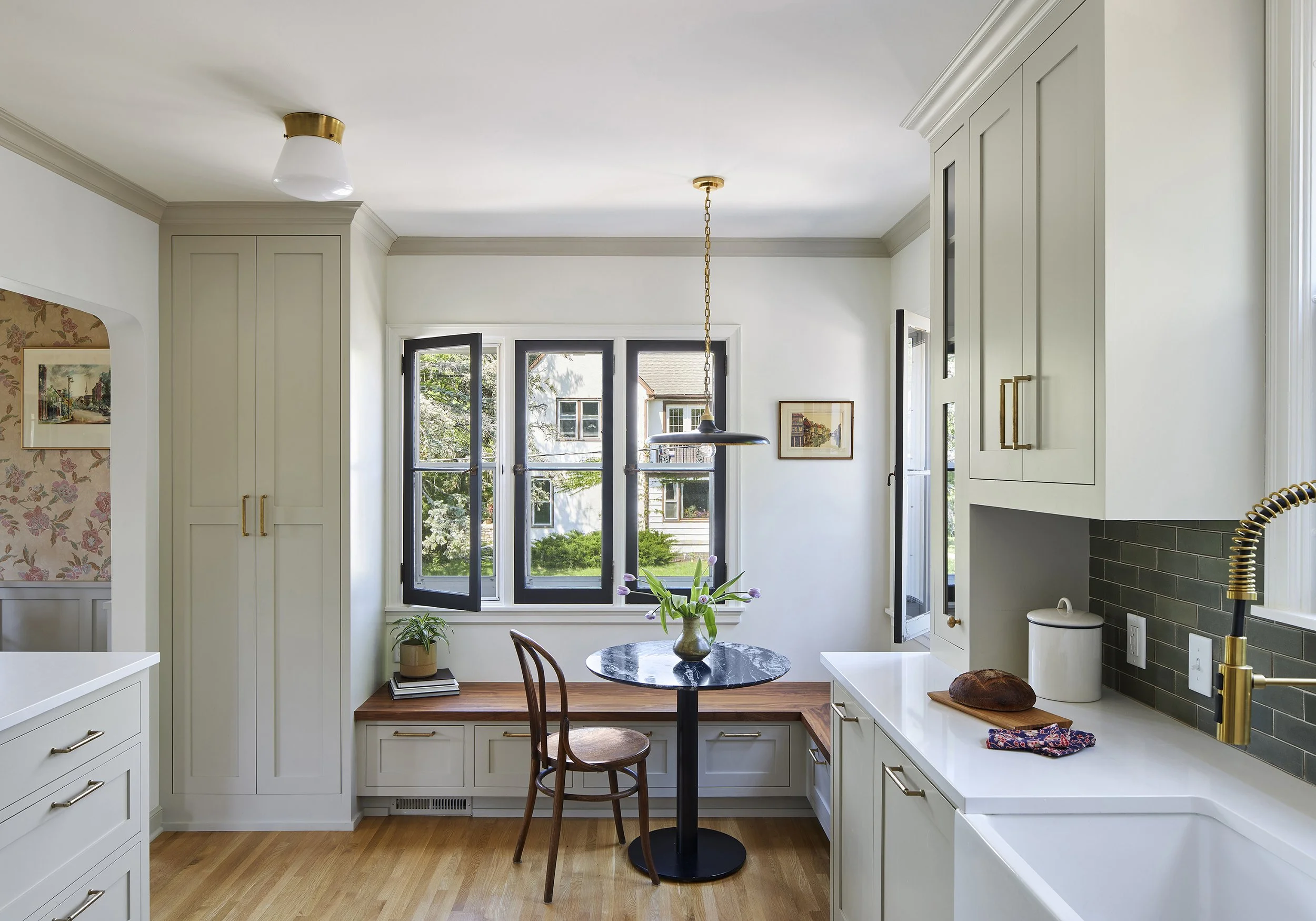
Photo by Nathan Anderson Photography
Color Temperature
If you’ve ever stepped into a home and thought, “Why does this feel like a dentist’s office?” it was probably the color temperature.
Here’s the quick guide:
2700K: Warm, cozy, inviting
Ideal for living rooms, bedrooms, dining rooms, and anywhere you want to relax.3000K: Clean, warm-neutral
Perfect for kitchens and bathrooms, residentially, if you want crisp but not cold, and some commercial spaces.3500K+: Bright, energizing
Good for workspaces, garages, and storage areas.
Most spaces look and feel best when you keep color temperature consistent across spaces, especially spaces that are open or adjacent to one another. It makes everything feel calmer and more cohesive.
Circadian Lighting
Circadian lighting refers to a lighting approach designed to support the body’s natural 24-hour internal clock by mimicking the changing qualities of natural daylight. Instead of static, unchanging light, circadian systems adjust color temperature and intensity throughout the day. Cooler, brighter light in the morning helps stimulate alertness and energy, while warmer, softer light in the evening cues the body to wind down and prepare for sleep. By aligning artificial light with our biological rhythms, circadian lighting can improve sleep quality, boost mood, increase productivity, and enhance overall well-being in interior spaces where natural daylight may be limited. This strategy is increasingly recognized in wellness-focused design standards for homes and workplaces alike, as exposure to the right light at the right time supports healthier circadian patterns and daily routines.
lighting for all seasons
In Minnesota, and other locations further from the equator, the long, bright summer nights are a sharp contrast to the pitch-black-at-4 pm-evenings we experience in the winter. With the change in seasons, we like to use lighting to enhance spaces and make the contrast in seasons a bit more enjoyable.
During winter, lighting plays an important role in counteracting shorter days and colder conditions by adding more ambient light to offset the extended darkness and leaning into warmer color temperatures that bring extra comfort indoors. Layered lighting with table and floor lamps helps create depth and coziness, while well-placed task lighting can compensate for reduced daylight in a way that feels helpful rather than harsh. Candles can further enhance warmth and ambiance, adding a soft, inviting glow to interior spaces. In contrast, summer lighting strategies focus on working with abundant daylight by maximizing natural light and shifting artificial lighting use to early mornings and evenings. Dimmers allow for flexible light levels as daylight changes throughout the day, while accent lighting can be used to gently soften interiors during rainy or overcast days without overpowering the space.
Lighting Controls
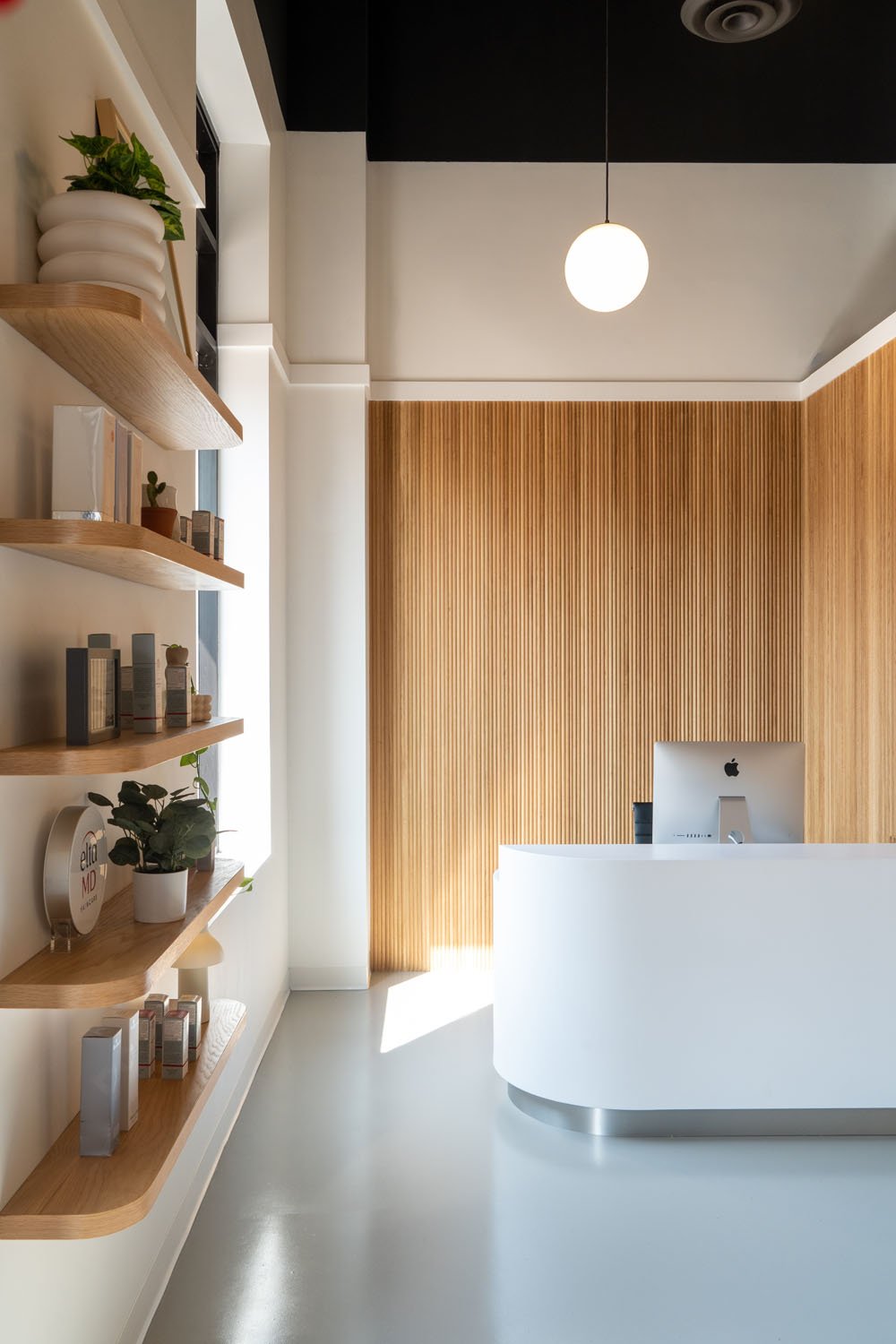
A good lighting plan isn’t complete without intentional controls. Lighting controls offer a mix of comfort, efficiency, and convenience by allowing users to tailor lighting to their needs and routines. Features like dimmers, timers, occupancy sensors, and smart controls help reduce energy use by ensuring lights are only on when and where they’re needed, while adjustable lighting levels enhance comfort and ambiance, supporting activities from focused work to relaxation. Automated schedules, remote controls and thoughtful switch placement add convenience and ideally create an experience that seems effortless.
When lighting is done well, you don’t think about it; you feel better in your space. You move through your day more easily. You unwind more fully. You just enjoy your space more.
If you’re planning a renovation or just want your home to feel more cohesive, lighting is one of the most powerful (and underrated) elements.