
Why “cheap now” often means “expensive later”—and how to make smarter design decisions.
When it comes to renovating a home, it’s tempting to stretch the budget by choosing lower-priced finishes. A countertop material that looks close enough, a cabinet pull that “we can always replace later,” or flooring that seems like a good deal at first glance. But when it comes to interior design, finishes aren’t just the final layer; they’re the surfaces you live with and touch every day. And when quality is compromised, the consequences show up far sooner than expected.
Below, we explore the true costs—financial, functional, and aesthetic—of settling for low-quality finishes, and why investing wisely from the start creates more durable, sustainable, and satisfying spaces.
1. Shorter Lifespans = Higher Lifetime Costs
Budget finishes often look good on day one, but their performance rarely holds. Paint that shows every mark or wipe, veneer that peels in humidity, metal finishes that chip or fade with use, or low-grade tile that cracks under everyday use; all require replacement much sooner than expected.
What seems like a “deal” can easily result in two or three full replacements over the lifespan of a single high-quality alternative. When you factor in installation labor (often the largest cost), the real price of low-quality finishes becomes clear: you’ll pay more money for something you enjoy less.
better approach: Identify which surfaces are touched most—counters, flooring, hardware, cabinetry—and prioritize quality there. These elements endure the daily wear that cheaper options struggle to handle.
2. Design Integrity Suffers Over Time
Design is about more than how things look today. A cohesive interior relies on finishes that age gracefully and maintain their appearance. Low-quality materials often degrade visibly: discoloration, warping, repeated repairs, or mismatched replacement parts.
These small failures interrupt the visual continuity of a space. A beautifully designed kitchen loses its elegance when the counters stain easily or cabinet doors don’t close properly. When finishes don’t hold up, the design intent slowly unravels.
better approach: Look for materials that patina rather than deteriorate—solid woods, natural stones properly sealed, solid brass, natural fiber textiles — all products that are reliable over time and can be maintained, cleaned or repaired.

3. Environmental Impact Increases
Low-quality finishes are often manufactured with cheaper raw materials, hastier processes, adhesives that are more noxious, leading to shorter product lifecycles. They tend to end up in landfills far more quickly because they cannot be repaired, refinished, or recycled.
In contrast, well-made materials not only last longer but can often be restored. A solid wood floor can be sanded and refinished multiple times. A well-made cabinet can accept new hardware or refinishing. A durable stone countertop can last decades with minimal maintenance.
better approach: Choose materials that align with long-term sustainability—durable, locally sourced if possible, and repairable.
4. Cheap Finishes Create Hidden Labor Costs
Low-cost finishes often require more frequent cleaning, sealing, patching, and special care to keep them looking presentable. These time demands may not show up on a budget spreadsheet, but households feel them.
Examples:
Thin flooring that dents or scratches easily means placing pads on everything.
Surfaces that stain require immediate cleanup.
Low-quality paints need more frequent repainting and are much less forgiving when it comes to scrubbing marks or scuffs.
Inexpensive hardware can loosen, remove its finish or break.
Over time, these maintenance demands create frustration and erode the enjoyment of a space.
better approach: Factor maintenance into decision-making. A material or product that needs less care increases everyday ease and reduces long-term effort.
5. Cheap Materials Limit Future Flexibility
When homeowners decide to update or expand a space years later, low-quality finishes can complicate—rather than simplify—the process. Limited availability, discontinued product lines, and poor durability can make it difficult to blend old with new.
A single broken tile may mean replacing an entire floor. Outdated, low-cost hardware may be impossible to match. And worst-case scenarios, unseen delamination, mold growth behind deteriorating material, or subfloor damages, add unexpected construction costs.
better approach: Choose well-established, reputable manufacturers and timeless materials that can support future updates or repairs.
So, When Should You Save?
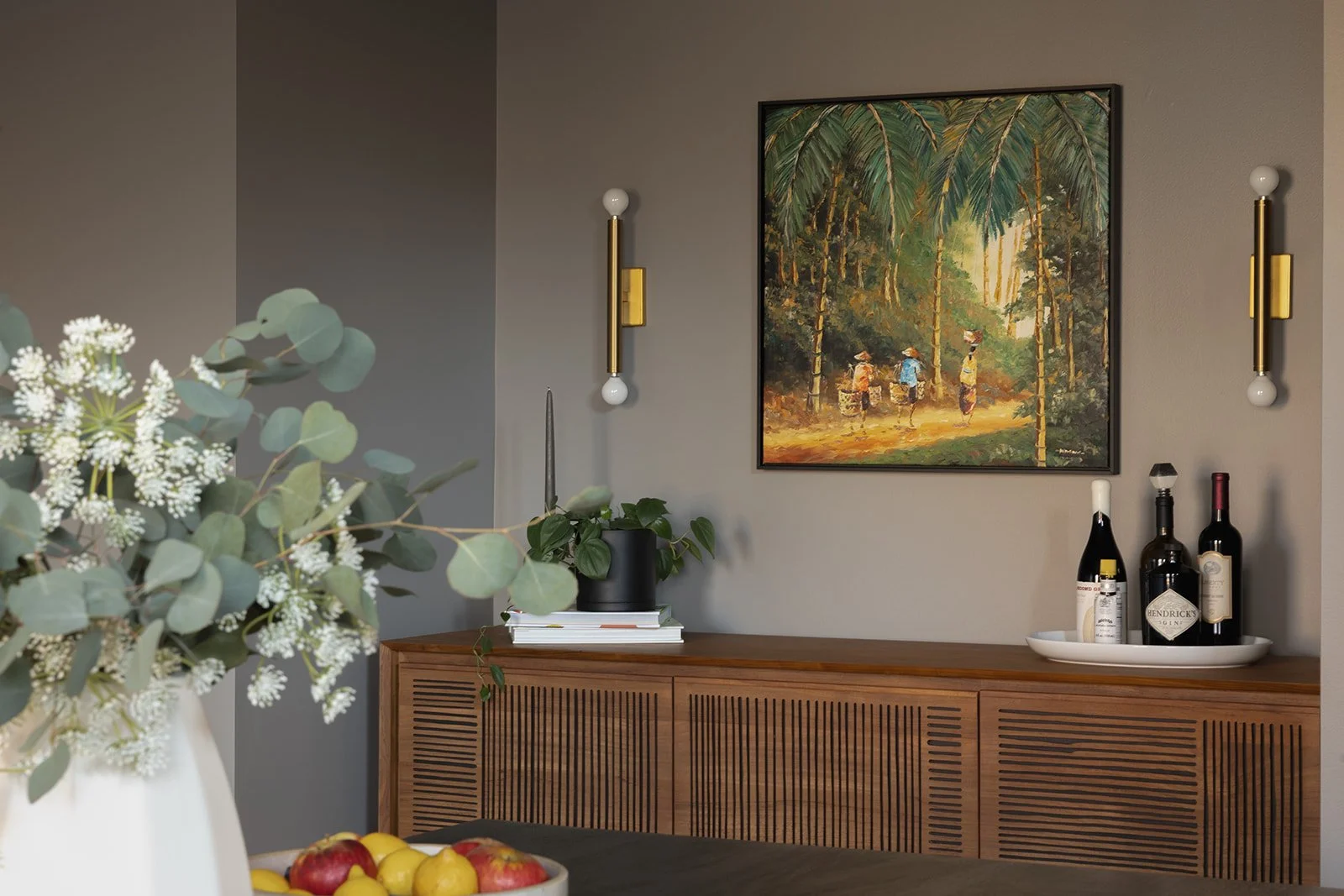
Not every material needs to be top-tier. The key is intentionality. Areas with limited wear like guest rooms, secondary bathrooms, decorative lighting, accent walls, can accommodate more budget-conscious choices.
Think of it as a layered investment:
high-touch surfaces: Spend wisely, choose quality.
low-touch surfaces: Save strategically.
foundational architectural elements: Never cut corners.
Smart design is knowing where quality matters most.
Investing in Quality is Investing in Peace of Mind
Well designed interiors should make your daily life easier, not harder. High-quality finishes minimize maintenance, enhance longevity, and preserve the integrity of your home’s design. When chosen intentionally, they support not just aesthetics but functionality, wellbeing, and sustainability.
If you’re planning a renovation or new build and want help evaluating where to invest—and where you can safely save—we’re here to guide you. Good design is never about “the most expensive thing”; it’s about the right things that last.